01
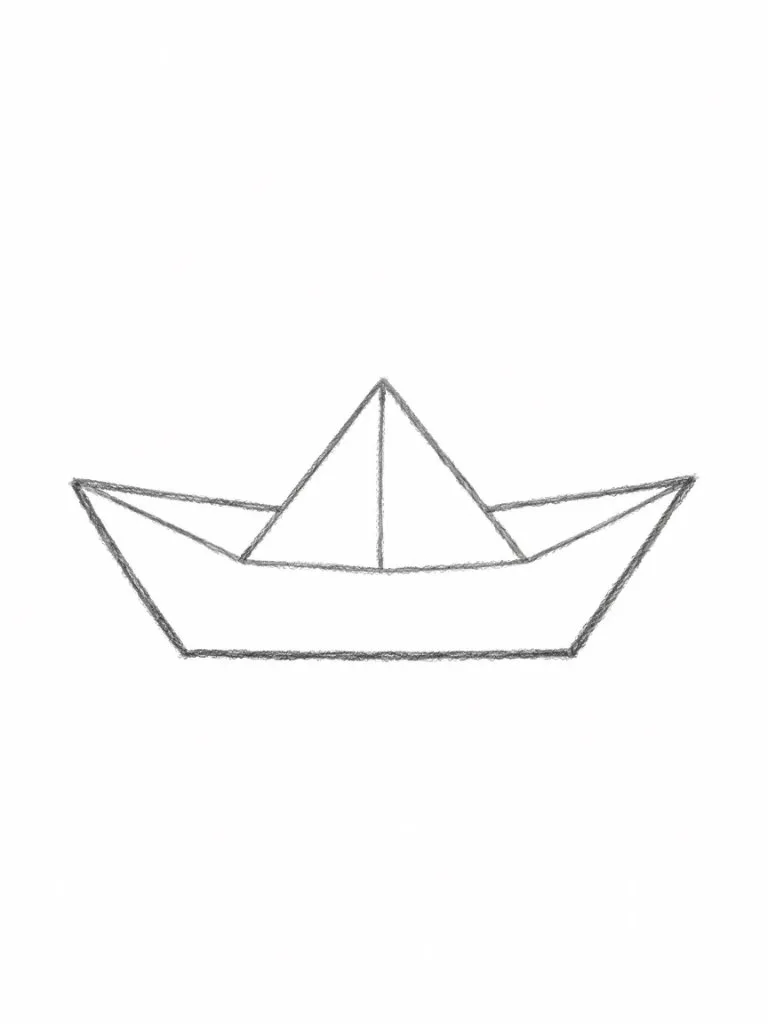
Paper Boat
Where to start: Draw a long, shallow trapezoid for the hull, then add a triangle above it.
I like keeping a few small drawing ideas handy for the moments when I have a pencil but no idea what to put on the page. Here are 24 to try, from a paper boat you can draw in the corner of a notebook to a little bookshop window you can spend a few more minutes on. Pick a picture you like and start with one line.
Start here if you only have a couple of minutes. These fit in the corner of a notebook or on a scrap of paper.
Where to start: Draw a long, shallow trapezoid for the hull, then add a triangle above it.
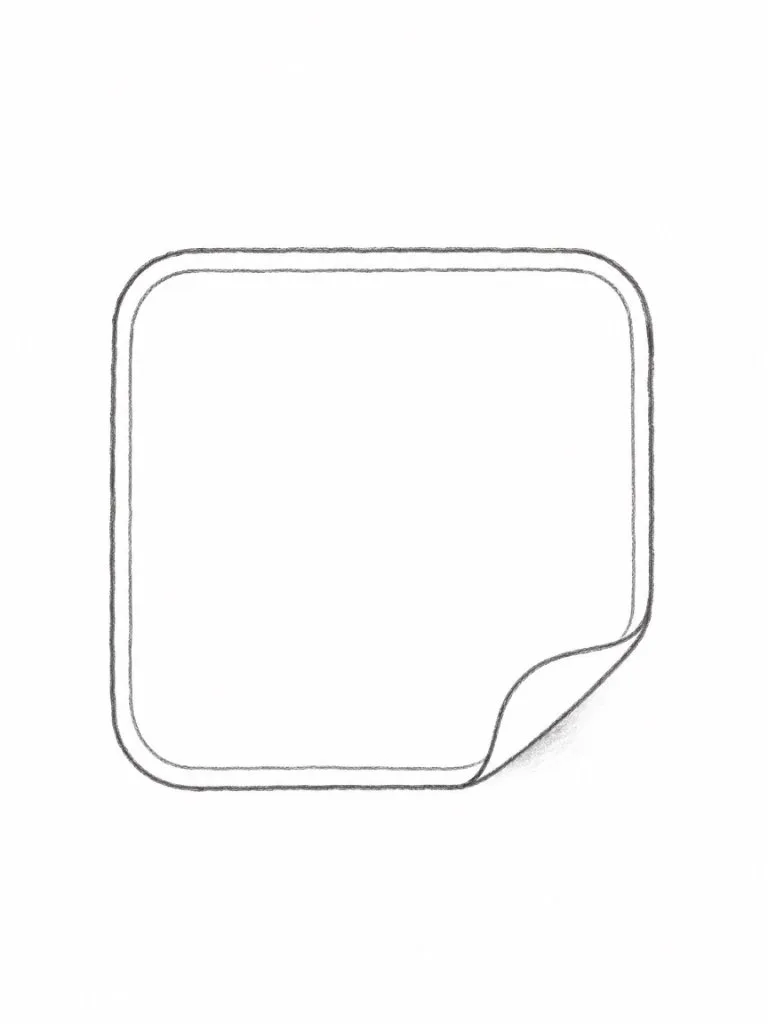
Where to start: Draw a rounded square with one corner missing. Curl that corner back with two short curves.
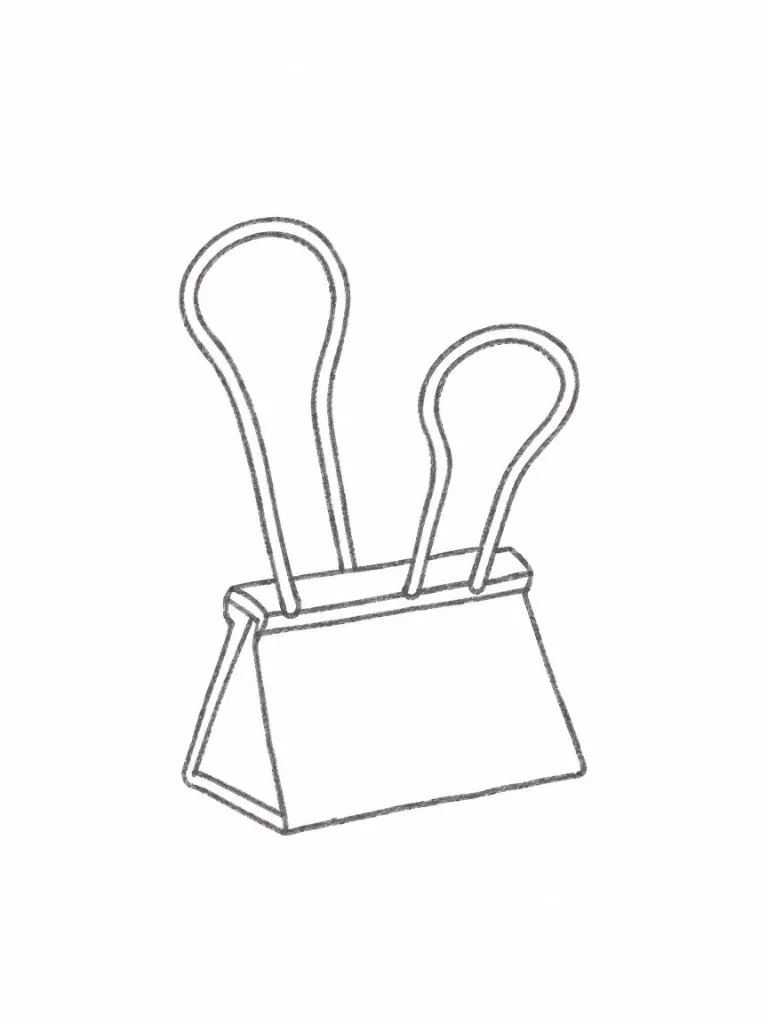
Where to start: Draw a small trapezoid and add two narrow wire loops above it.
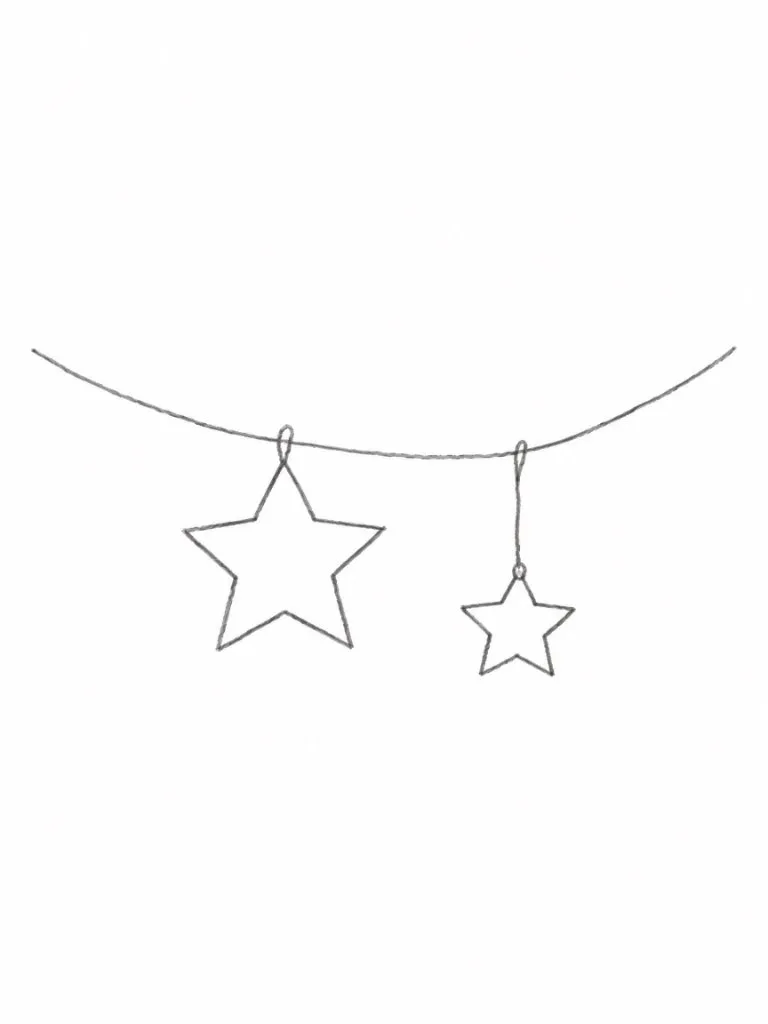
Where to start: Draw two stars at different heights and join their top points with a loose curve.
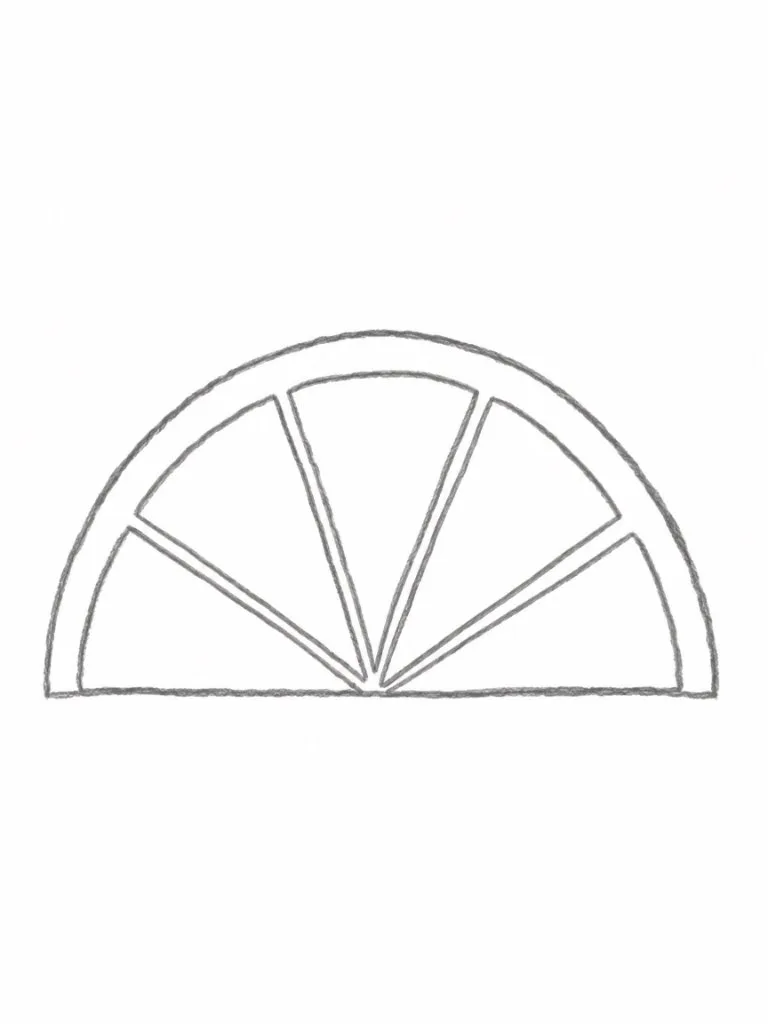
Where to start: Draw a half circle, then add lines that fan out from the middle like little wedges.
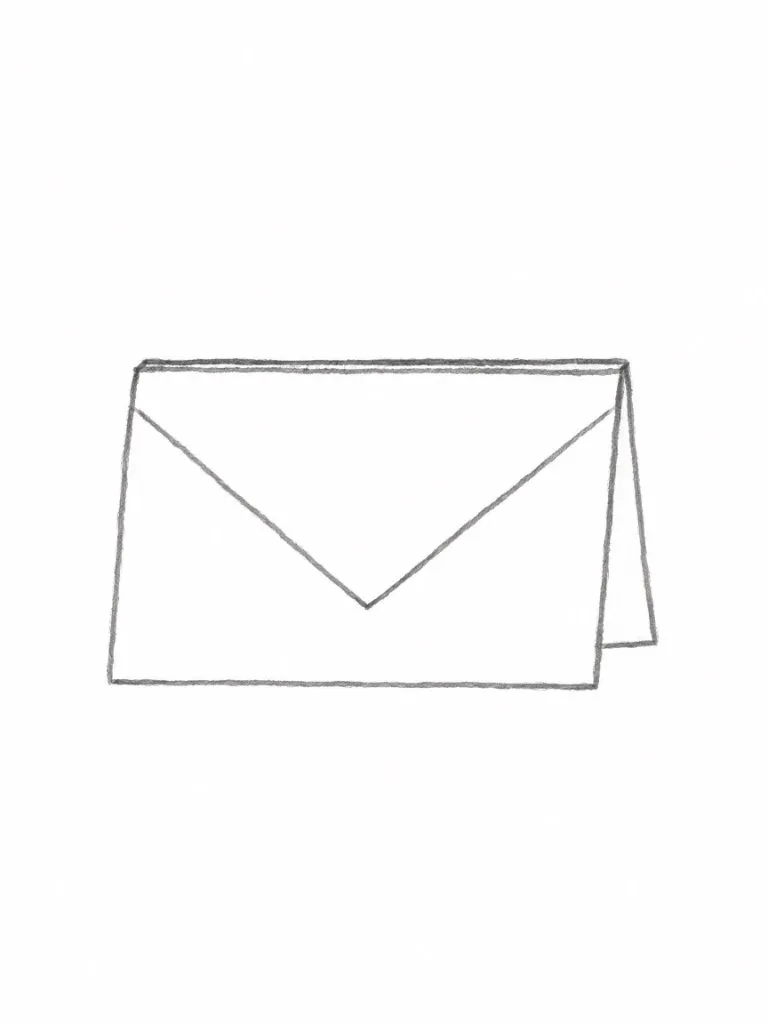
Where to start: Start with a rectangle and draw two diagonals that meet to make the flap.
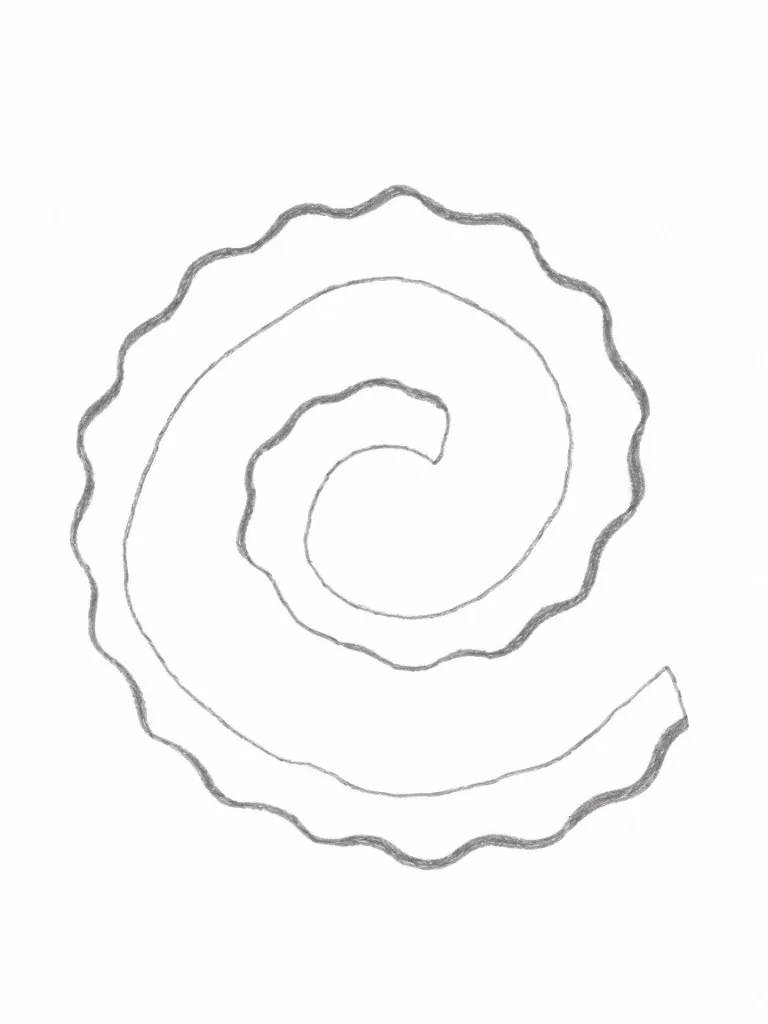
Where to start: Draw a loose spiral, then give the outside edge a few gentle waves.
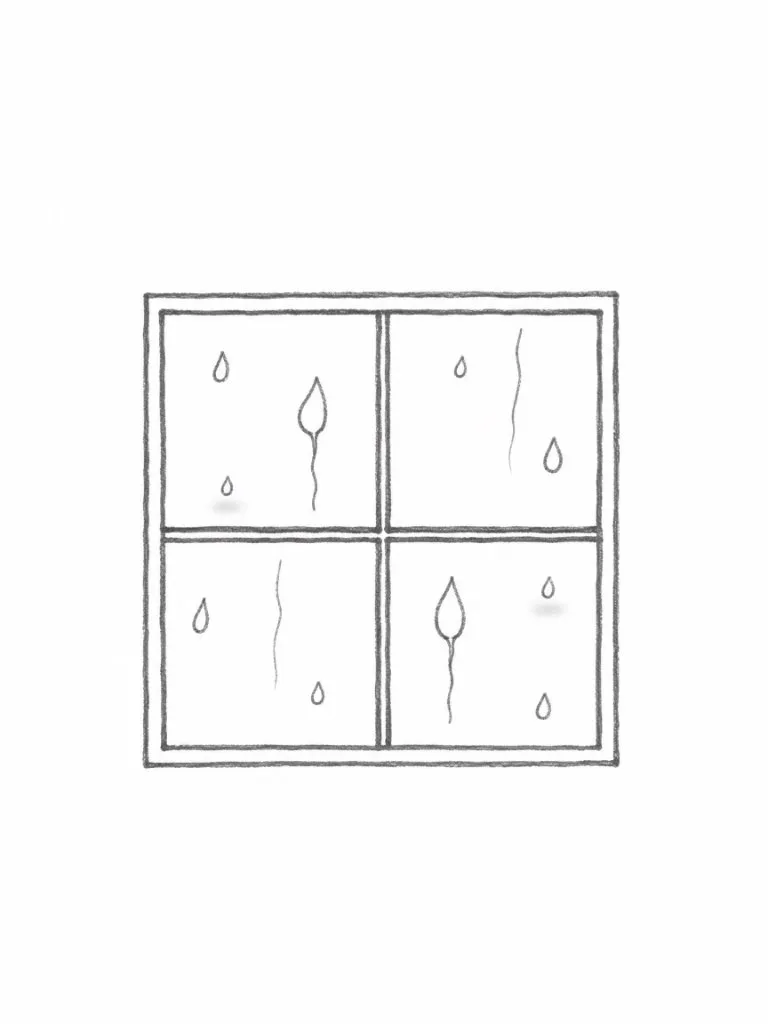
Where to start: Draw a square, split it into four panes, and add a few drops to the glass.
Why these tiny shapes work: Small margin doodles rely on flat, recognizable silhouettes—triangles, half circles, squares, and loose spirals—so your eye can judge the whole drawing in one glance without worrying about perspective. That makes them some of the easiest things to draw when bored when you only have a pen and a spare corner of lined paper.
Common beginner mistake: Pressing too hard on the very first stroke or trying to make every edge ruler-straight. A slightly uneven line actually gives a folded note, peeling sticker, or lemon slice more charm. Keep your grip relaxed, draw the outer shape lightly, and leave plenty of white space around it. If you want more quick warmup subjects organized by difficulty, browse our full directory of things to draw.
A few things you might find within reach. Give yourself a little more time to draw a fold, a shadow, or the way two shapes overlap.
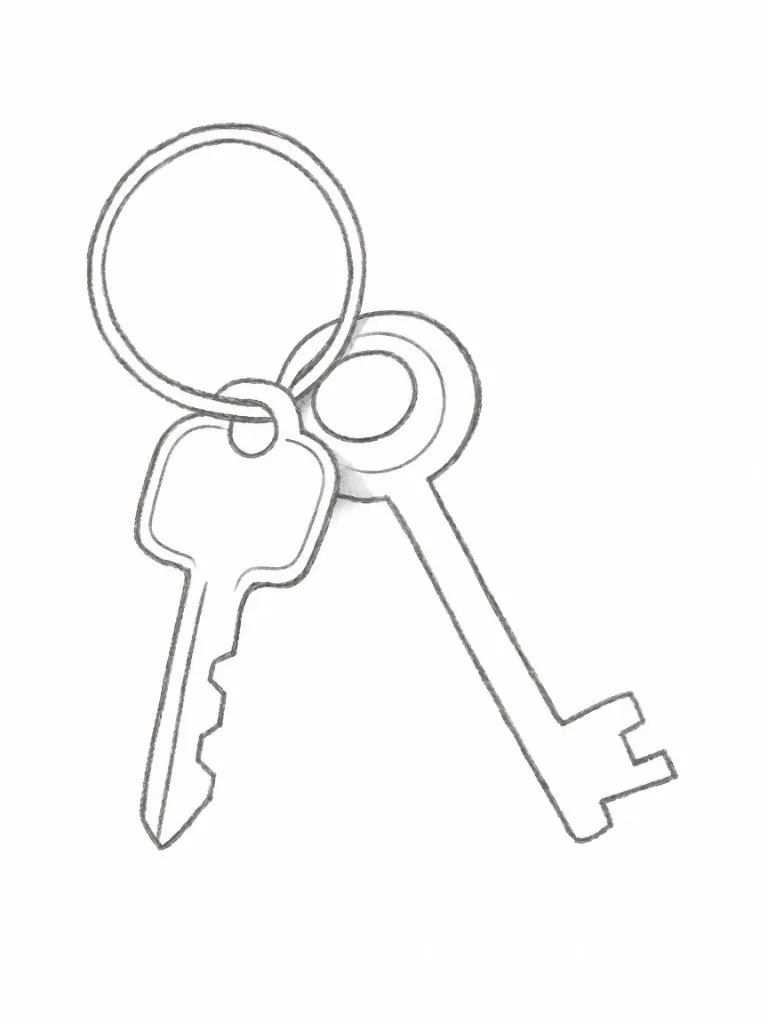
Where to start: Draw the key ring first, then hang two keys from it at different angles.
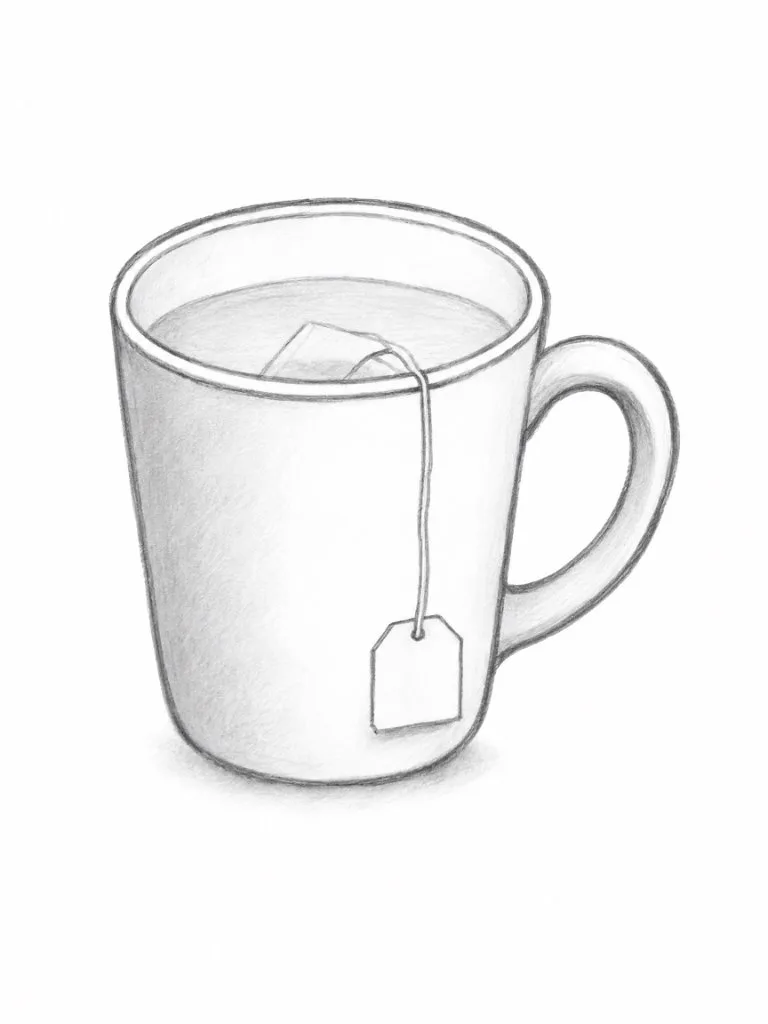
Where to start: Start with an oval for the rim and let the tea bag string hang over one side.
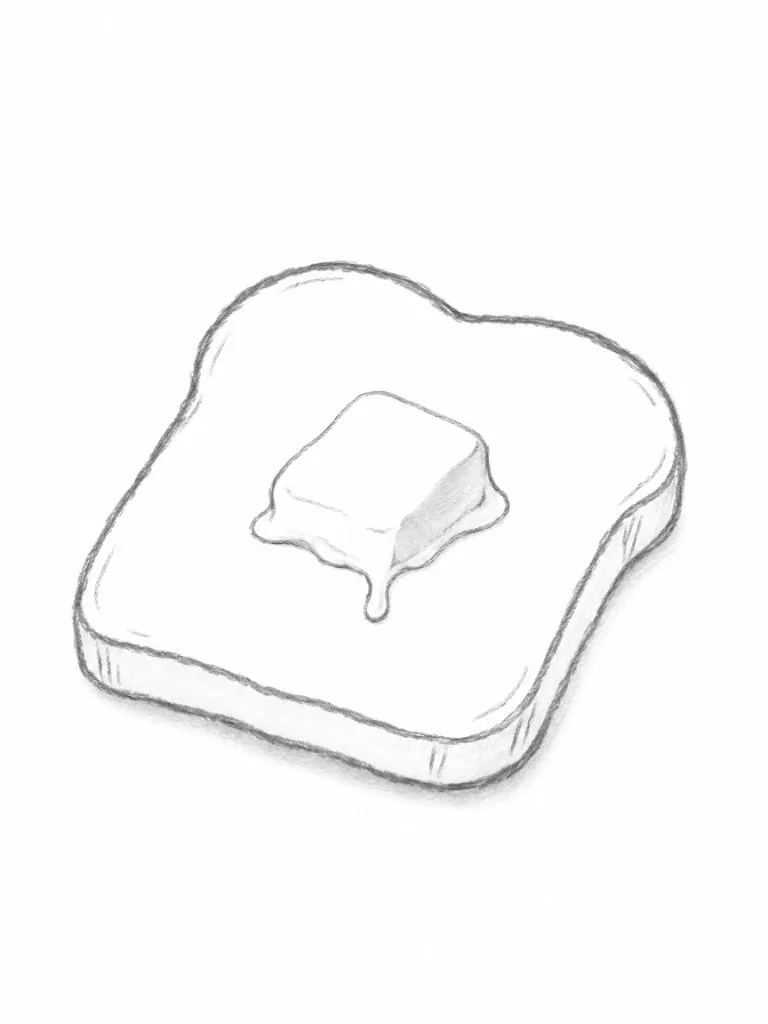
Where to start: Draw the slice with two rounded corners at the top, then tilt a little square of butter on it.
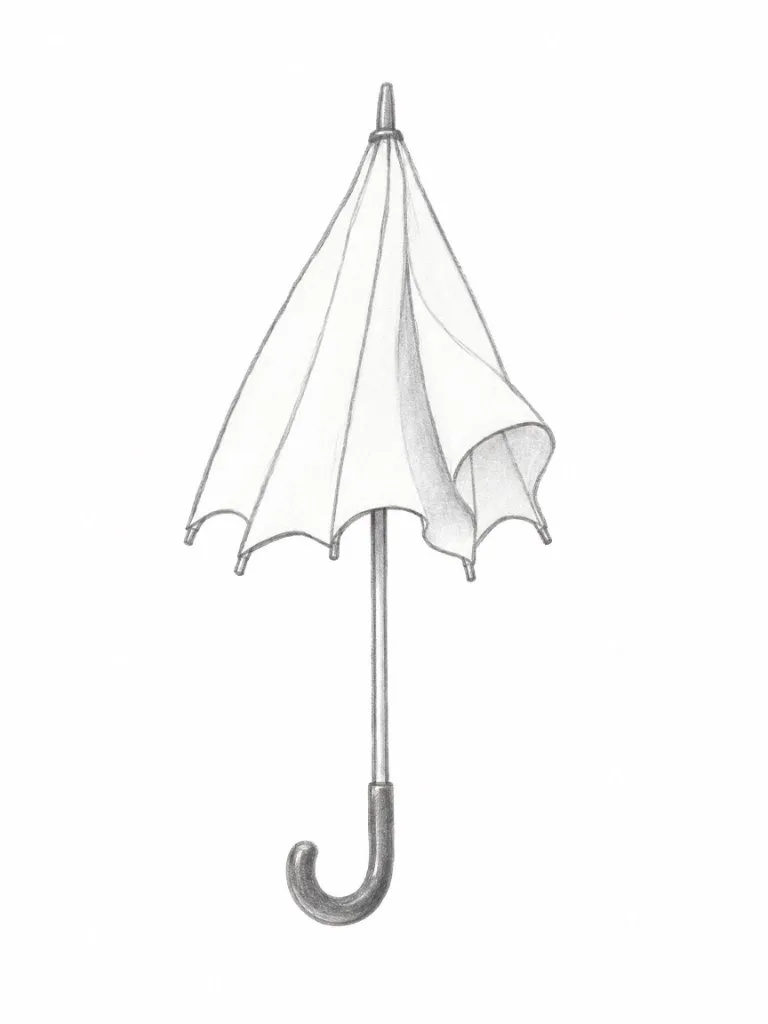
Where to start: Sketch the hooked handle and shaft, then let three loose folds fan out from the tip.
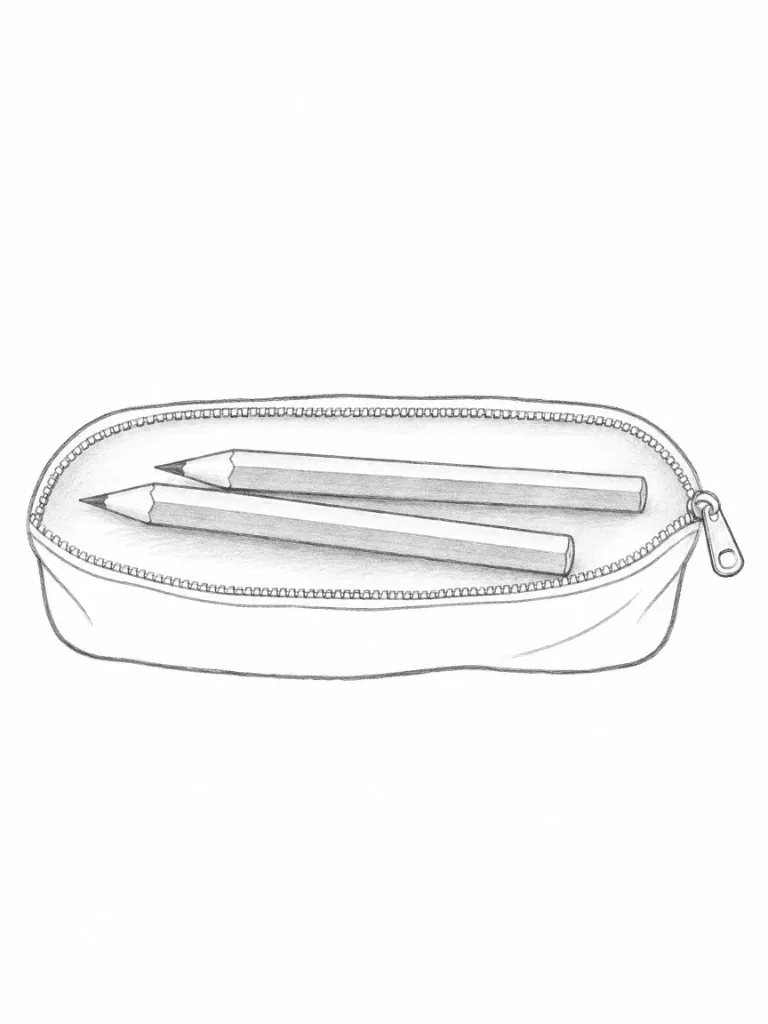
Where to start: Draw a long oval for the opening, then let two pencils peek out.
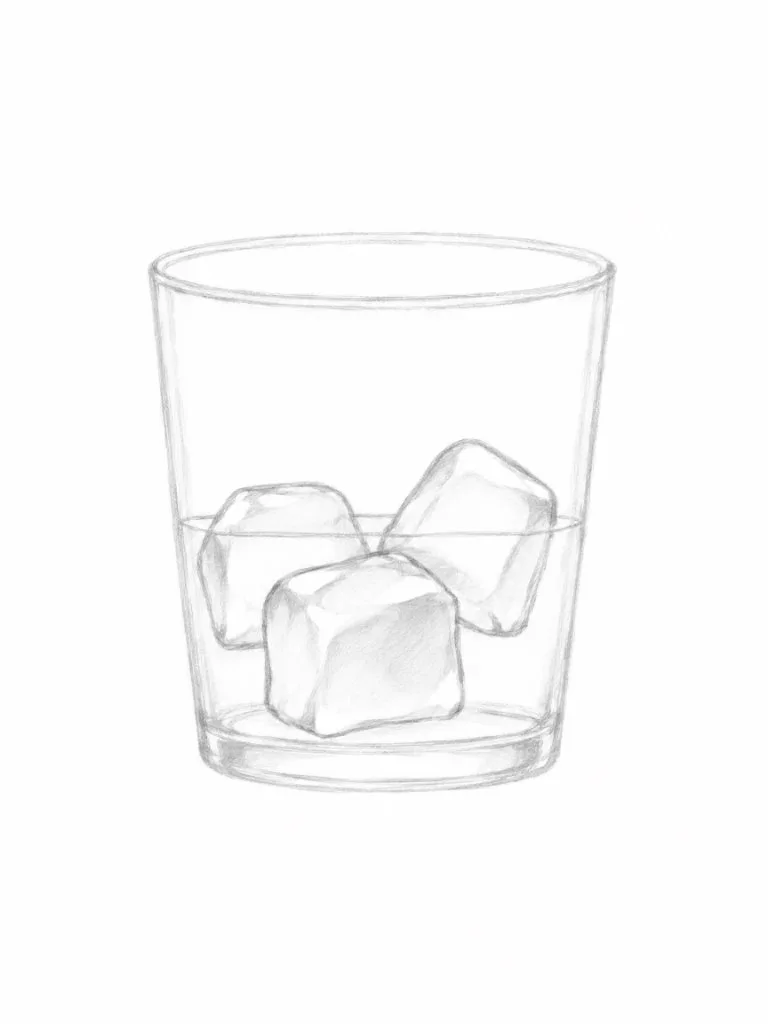
Where to start: Draw the rim and sides of the glass, then add two uneven cubes with small white highlights.
Why everyday objects are great practice: Familiar desk items like keys, a ceramic mug, or a glass of ice already sit right in front of you, which takes away the pressure of deciding what to draw when bored. Each subject pairs one clean geometric base—an oval rim, a soft rectangle, or a narrow shaft—with one small detail such as a hanging tea bag tag or a melting pat of butter.
Common beginner mistake: Flattening ellipses at the top of a mug or glass into a pointed football shape instead of rounding both corners smoothly. Check that the bottom curve of a cup mirrors the curve of the rim, and add just one light shadow underneath to anchor the object on the page. For softer, character-style sketches with rounded edges, explore our collection of cute things to draw.
Try one of these when a plain coffee mug feels a little too familiar.
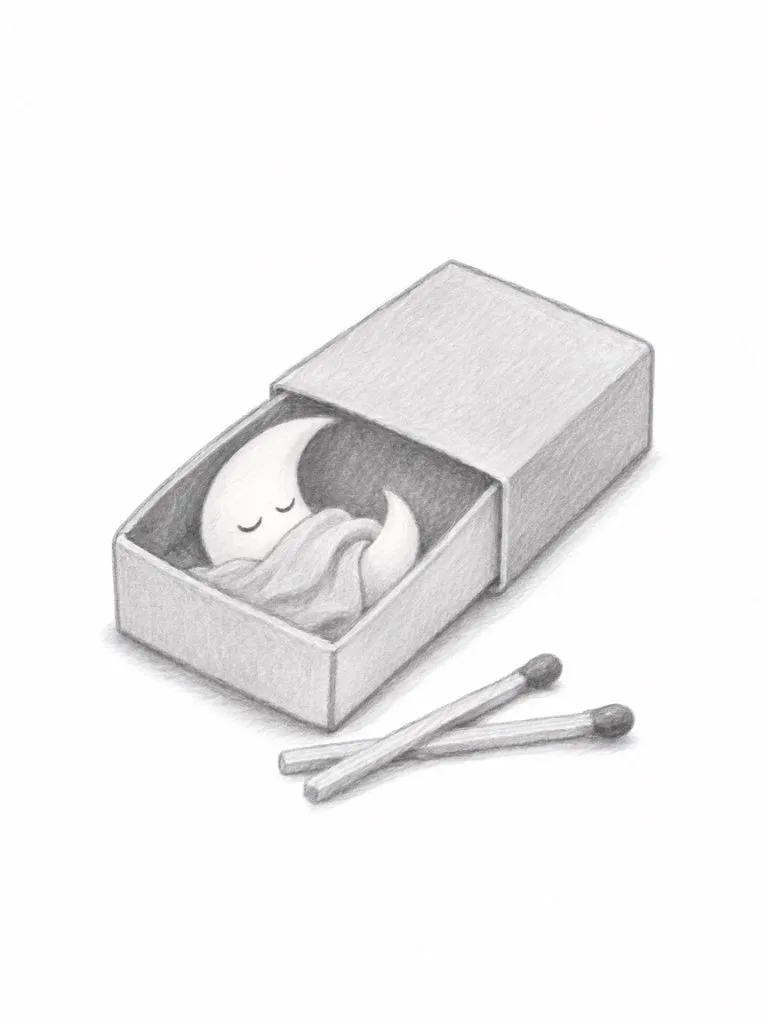
Where to start: Draw a shallow box with its lid slid halfway off. Tuck a small crescent moon inside.
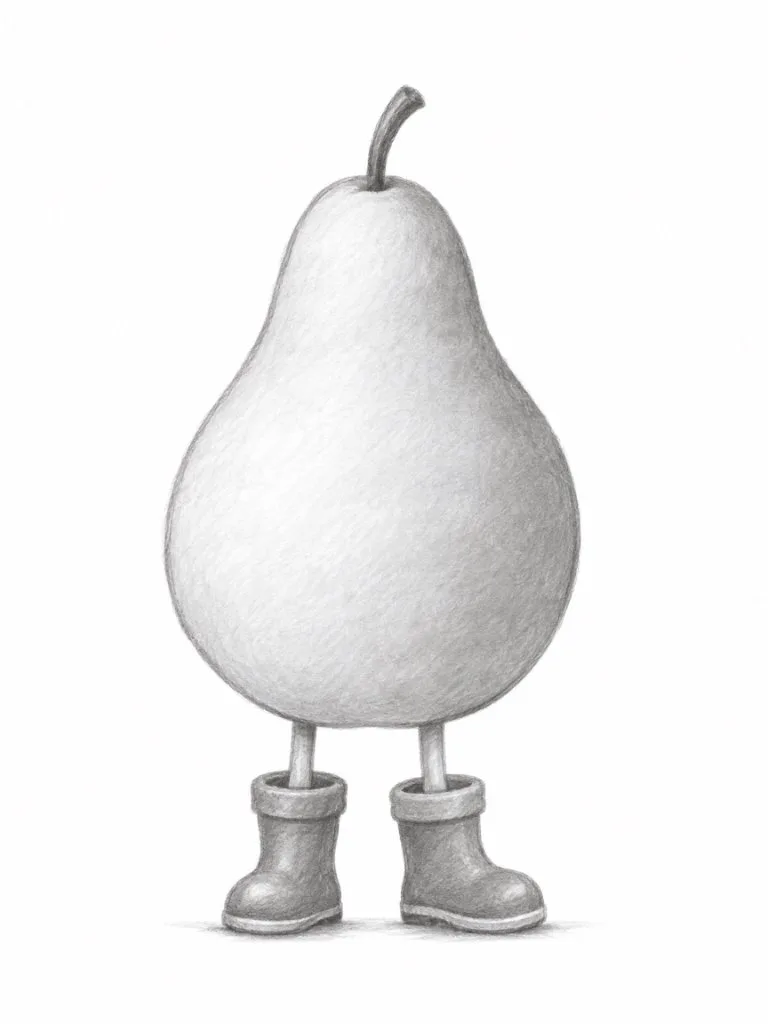
Where to start: Draw the pear first, then give it two short legs and a pair of chunky boots.
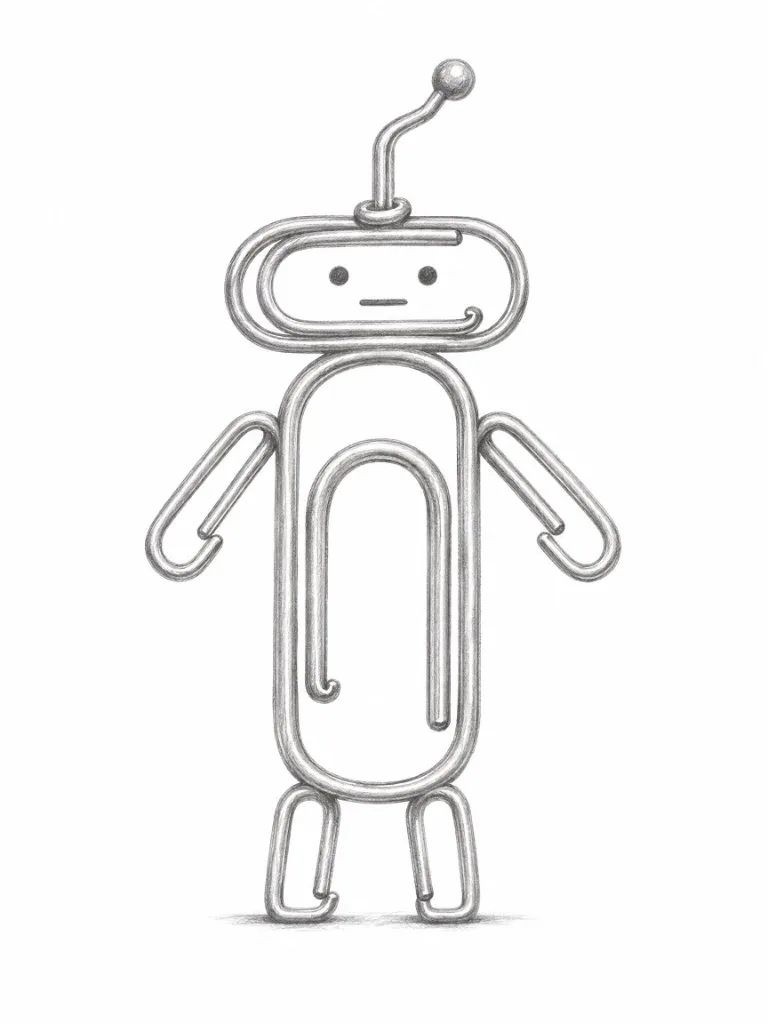
Where to start: Start with a square head and add a tall, looping paper clip for its antenna.
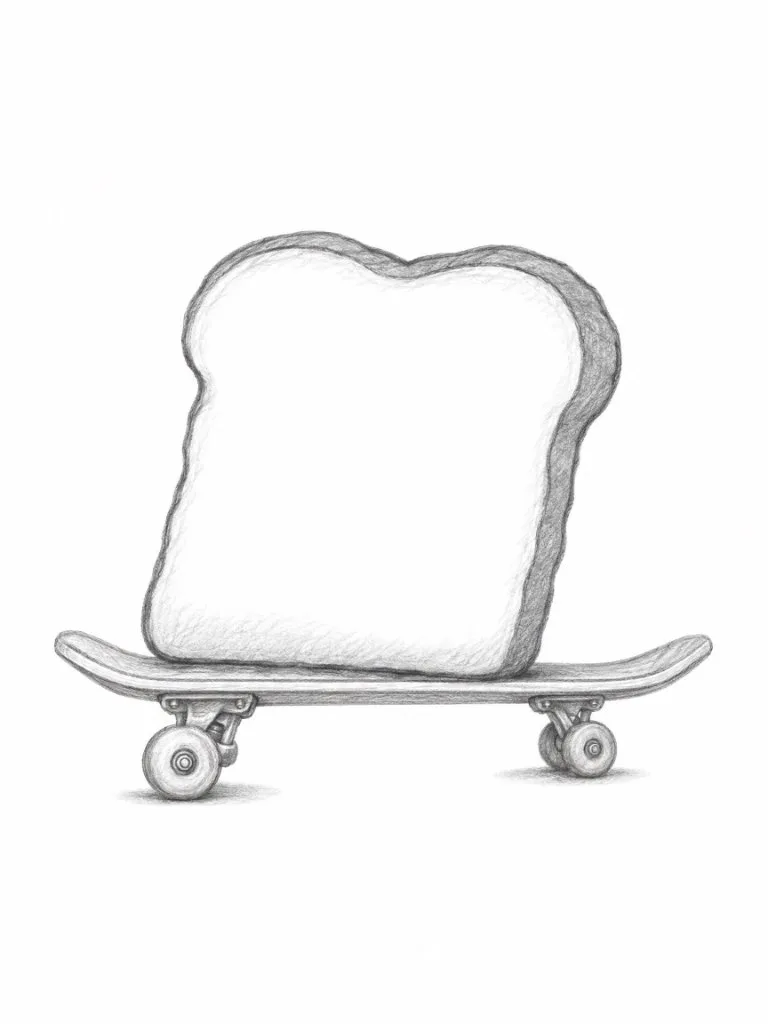
Where to start: Draw a slice of toast with bent knees, then add a short board and two tiny wheels.
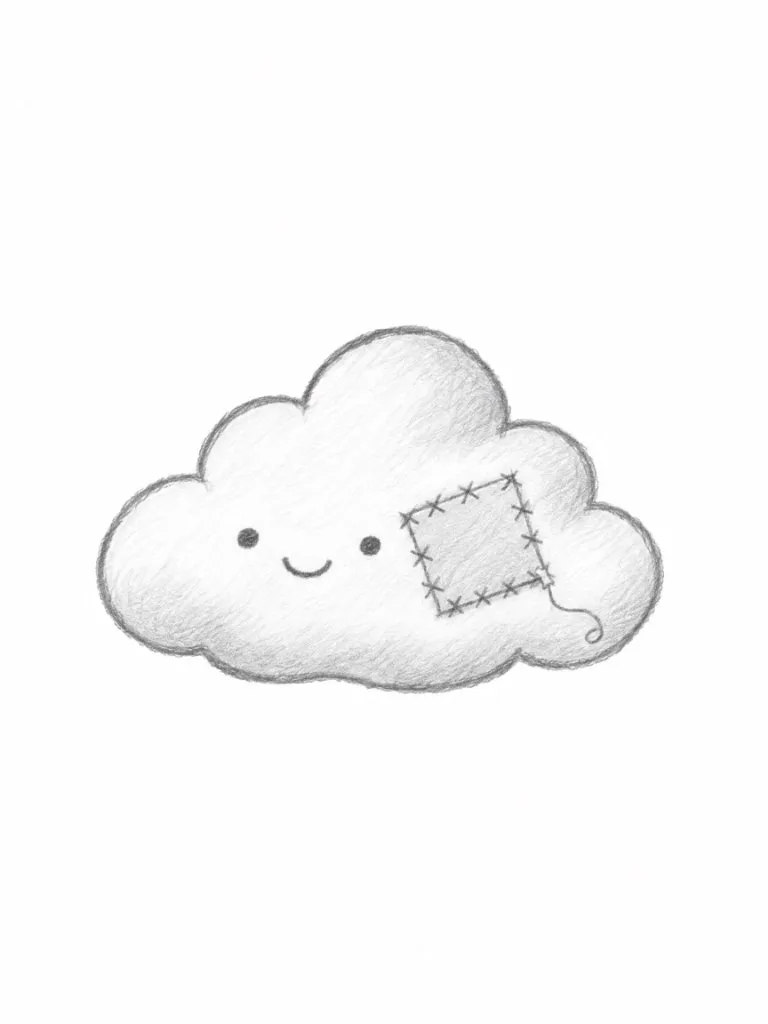
Where to start: Draw a puffy cloud and add one tilted square with a few stitches along its edges.
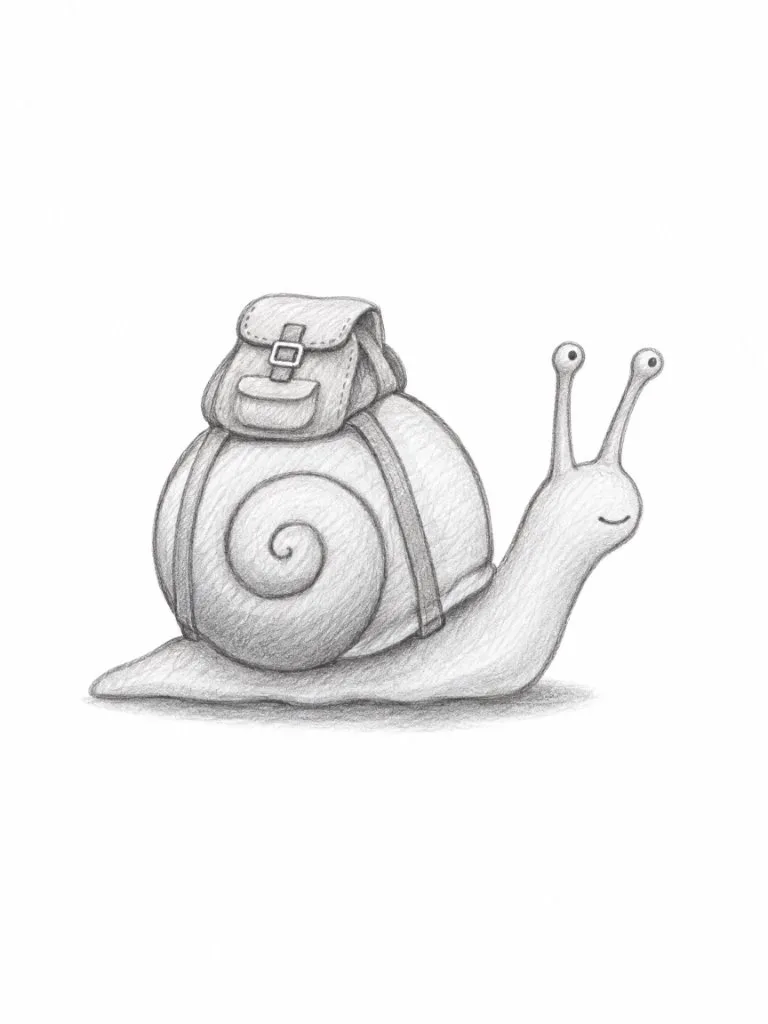
Where to start: Start with a spiral shell, then tuck a small backpack against its lower edge.
Why playful mashups beat art block: Combining two ordinary ideas—a pear in rain boots, a slice of toast on a skateboard, or a sleeping moon tucked into a matchbox—turns simple outlines into mini stories. Because you start with one familiar silhouette before adding the twist, these sketches feel inventive without requiring advanced anatomy or complex shading.
Common beginner mistake: Jumping straight into tiny faces, stitches, or skateboard wheels before the main body sits evenly on the page. Block in the biggest shape first, check that it looks balanced on its own, and treat the quirky detail as the final accent. When you want another playful, low-pressure shape you can decorate in dozens of ways, try our easy heart drawing guide.
Pick one of these if you feel like staying with your drawing a little longer. Start with the biggest shape and add only the details you enjoy.
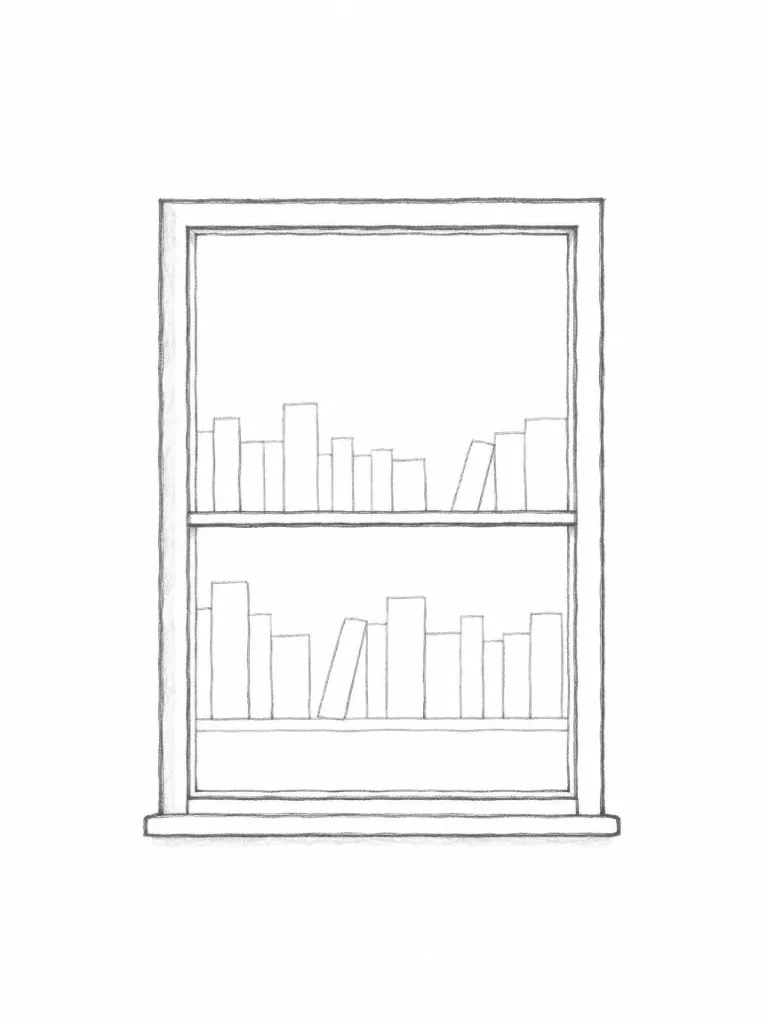
Where to start: Draw the window frame and two shelves, then fill them with books of different heights.
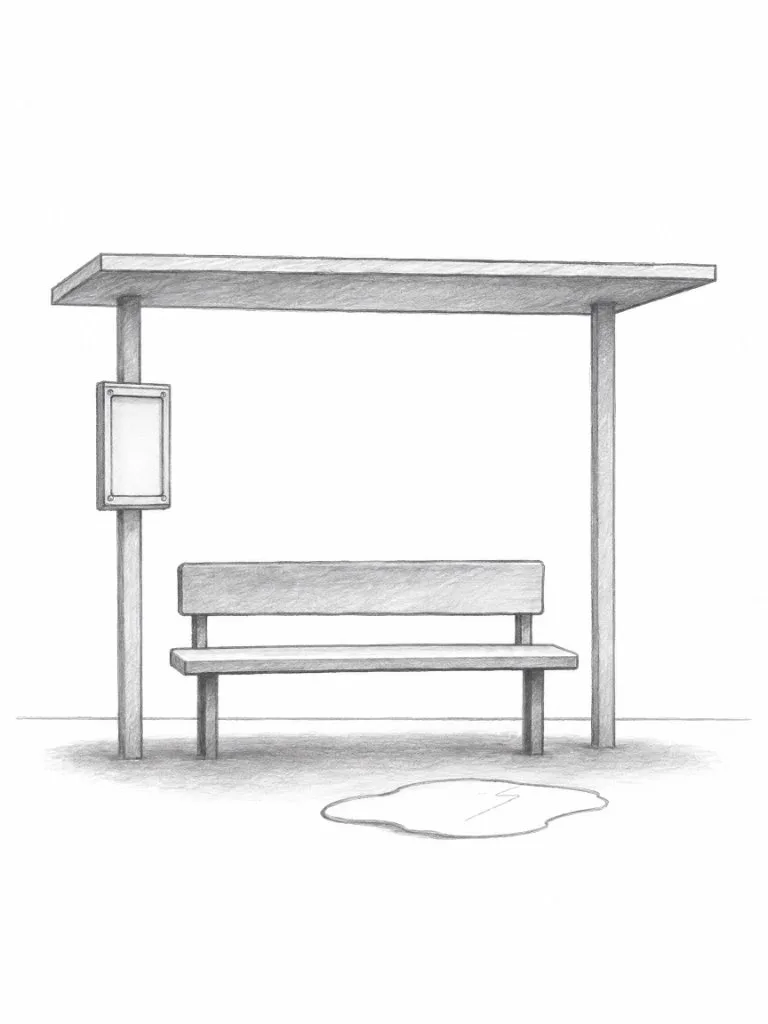
Where to start: Start with the shelter roof and bench. Add a puddle near the curb with a few broken lines.
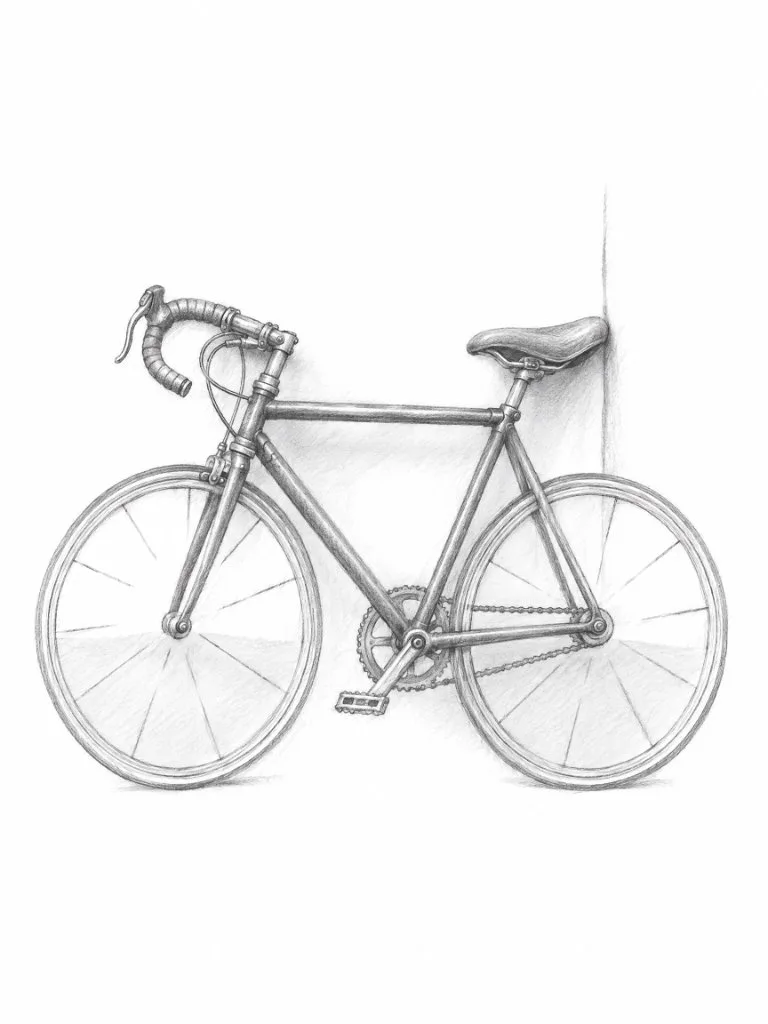
Where to start: Place two circles for the wheels, connect them with a simple frame, and add one line for the wall.
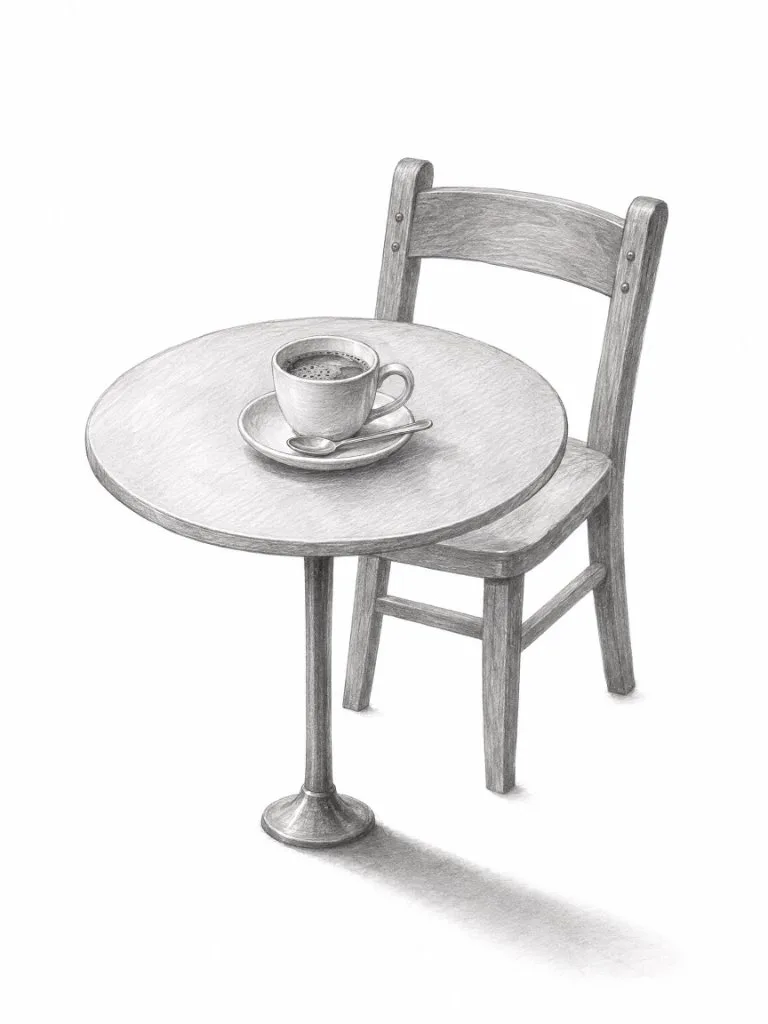
Where to start: Draw an oval table with a cup on top, then add the back of a chair and one long shadow.
Why small scenes feel relaxing: Mini environments like a bookshop window, a rainy bus stop, or a quiet corner café table look rich and finished even when built from simple boxes, parallel lines, and circles. Leaving the surrounding paper open lets your eye fill in the rest of the street without needing to shade an entire background.
Common beginner mistake: Getting lost in tiny book titles, spokes, or rain streaks before the main verticals and horizontals line up. Sketch the outer frame, roof, or horizon line lightly first, keep upright posts straight, and stop as soon as the scene feels cozy—negative space does half the work. If you enjoy adding gentle pencil texture and lively subjects to quiet sketchbook pages, practice next with our cat drawing tutorials.
High-resolution 300 DPI practice sheets, trace-over proportion grids, and clean outlines formatted for standard printer paper.
Try a sleepy cat or a tiny food doodle in Cute Things to Draw, or browse more drawing ideas by subject.
Try a paper boat, a lemon slice, or a folded note. Each starts with a simple shape you can draw with a pencil or pen. The lemon slice is a good first pick. Draw a half circle and divide it into wedges.
Try two stars on a string, a sticker with one corner peeling up, or a tiny binder clip. Each one is small enough to fit in a margin.
Try a pear in rain boots, a moon sleeping in a matchbox, or a robot with a paper clip antenna. Start with a familiar shape and add one funny detail.
Sketch the keys on your desk, a mug with a tea bag, or a slice of toast with melting butter. Start with the outline and add one small shadow if you have time.